
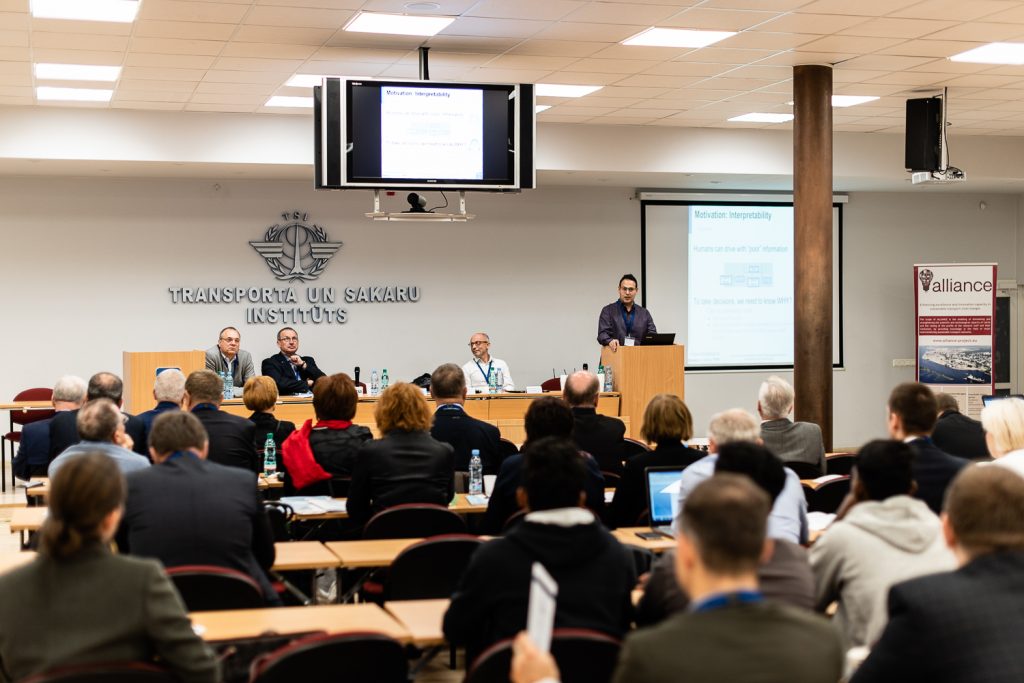
The goal of the RelStat-2019 conference is to provide an international forum for scientists and professionals in academia, industry, and government to address recent research results and to present and discuss their ideas, theories, technologies, systems, tools, applications, work in progress and experiences on all theoretical and practical issues arising in transport, information and communication technologies.
RelStat-2019 has opened Call for Papers for both Special Session Proposals and Regular Full Paper Submissions. We look forward to innovative contributions in any of the following areas:
- Smart Solutions in Transportation Systems
- Networking and Telecommunications
- Reliability, Risk and Safety Applications
- Mathematics, Statistics, Modelling and its Applications
- Information Systems and Information Technologies
- Business and Economics Applications
- Mobile and Distance Education
English is the official language of the Conference.
Publication
Selected papers will be published in the conference proceeding by Springer Lecture Notes in Networks and Systems http://www.springer.com/series/15179 (indexed in Scopus).
Papers will be selected based on their originality, timeliness, significance, relevance, and clarity of presentation. Submission of a paper should be regarded as a commitment that, should the paper be accepted, at least one of the authors will register and attend the conference to present the work.
Submitted papers must not substantially overlap with papers that have been published or that are simultaneously submitted to a journal or to another conference with proceedings.
Invited Sessions (workshops)
Proposals for invited sessions (workshops) within the technical scope of the conference are accepted. Each proposal should describe the theme and scope of the proposed session. The proposal should contain the title and theme of the session, moderator and a list of paper titles, names and email addresses of the corresponding authors.
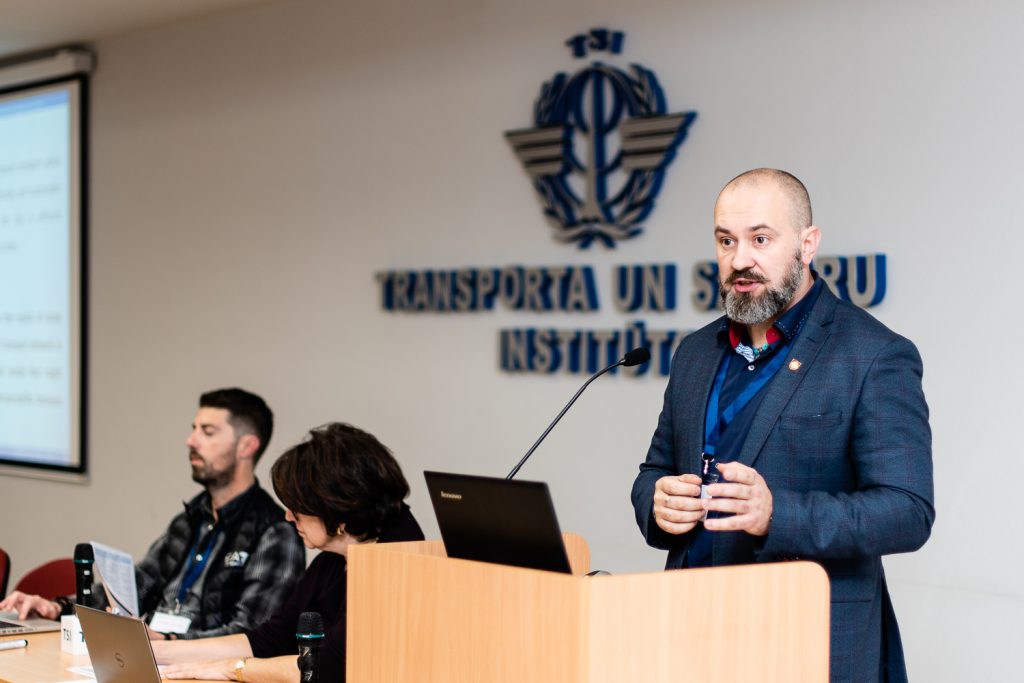
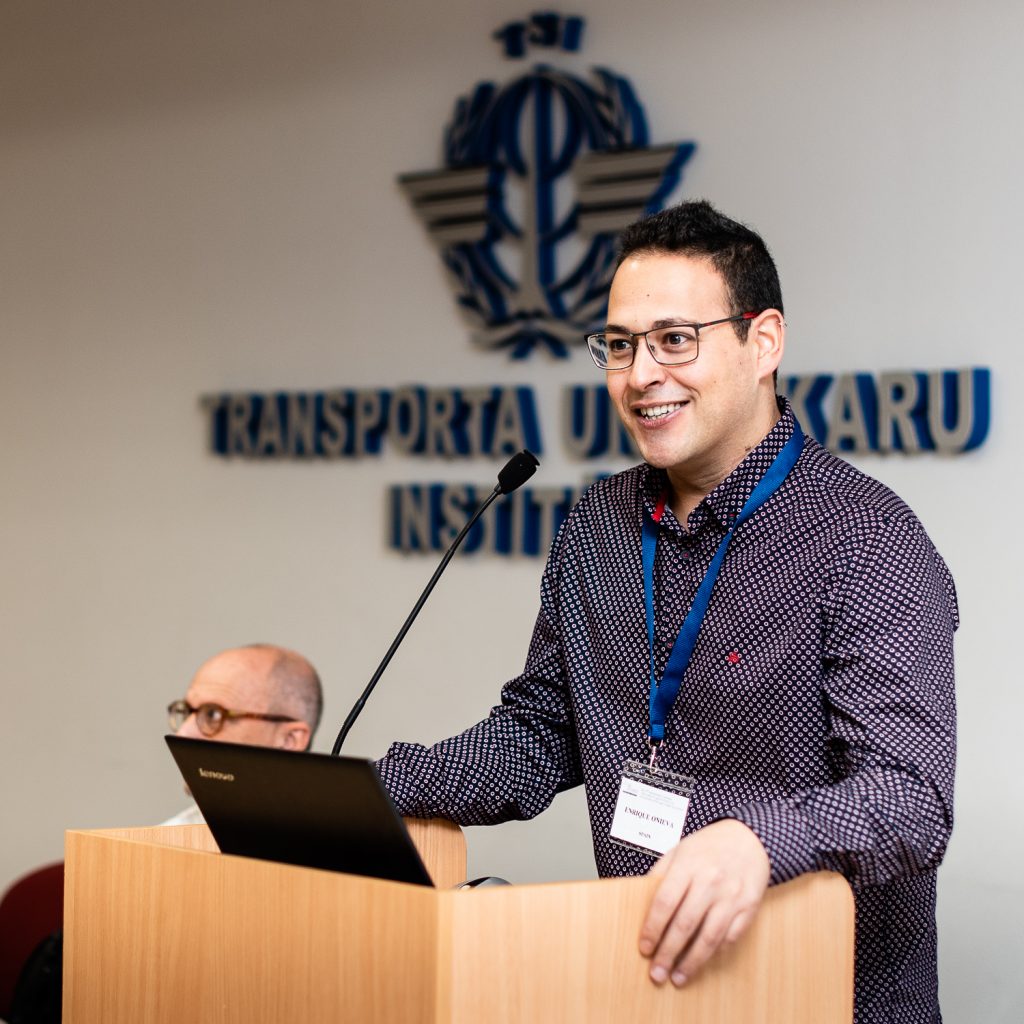
Sponsored and hosted by Transport and Telecommunication Institute (Latvia)
Transport and telecommunication institute (TSI) – is a modern university with the almost centennial history. TSI – is the university-successor of the legendary RKIIGA (Riga Red-Banner Civil Aviation Institute) and RAU (Riga Aviation Institute).
In the present-day appearance TSI was established in 1999. Nowadays TSI – is the only one private technical college university type in Latvia, where you can get higher education in Russian, Latvian and English languages.
Prof. Igor Kabashkin, Transport & Telecommunication Institute, Latvia – Chairman
Prof. Irina Yatskiv (Jackiva), Transport & Telecommunication Institute, Latvia – Co-Chairman
Prof. Irina Kuzmina-Merlino, Transport and Telecommunication Institute, Latvia – Co-Chairman
Prof. Lutfihak Alpkan, Gebze Institute of Technology, Turkey
Univ.-Prof. Dr. Constantinos Antoniou, Technical University of Munich, Germany
Prof. Liudmyla Batenko, Kyiv National Economic University named after Vadym Hetman, Ukraine
Prof. Maurizio Bielli, Institute of System Analysis and Informatics, Italy
Dr. Brent D. Bowen, Purdue University, USA
Prof. Stanislav Buka, Baltic International Academy, Latvia
Dr. Vadim Donchenko, Scientific and Research Institute of Motor Transport, Russia
Prof. Ernst Frankel, Massachusetts Institute of Technology, USA
Dr. Ilia B. Frenkel, Industrial Engineering and Management Department, Sami Shamoon College of Engineering, Israel
Prof. Alexander Grakovski, Transport and Telecommunication Institute, Latvia
Prof. Stefan Hittmar, University of Zilina, Slovakia
As. Prof. Ishgaly Ishmuhametov, Transport and Telecommunication Institute, Latvia
Prof. Dr. Nicos Komninos, Aristotle University of Thessaloniki, Greece
Prof. Vulfs Kozlinskis, Riga International School of Economics and Business Administration, Latvia
Dr. Gatis Krumins, Vidzemes Augstskola, University of Applied Sciences, Latvia
Prof. Natalja Lace, Riga Technical University, Latvia
As.Prof. Nikolova Christina Lazarova, University of National and World Economy, Bulgaria
Prof. Valery Lukinskiy, High School of Economics, Russia
As. Prof. Jacek Mazurkiewicz, Wroclaw University of Technology, Poland
Prof. Boriss Misnevs, Transport and Telecommunication Institute, Latvia
Prof. Dr. Andres Monzon de Caceres, Universidad Politécnica de Madrid, Spain
As. Prof. Eftihia Nathanail, University of Thessaly, Greece
Prof. Andrzej Niewczas, Lublin University of Technology, Poland
Prof. Lauri Ojala, Turku School of Economics, Finland
Prof. Ramunas Palšaitis, Vilnius Gediminas Technical University, Lithuania
Asist. Prof. Dmitry Pavlyuk, Transport and Telecommunication Institute, Latvia
Prof. Gunnar Prause, Tallinn Technical University, Estonia
Prof. Olegas Prentkovskis, Vilnius Gediminas Technical University, Lithuania
Prof. Klaus Richter, Fraunhofer Institute for Factory Operation and Automation IFF Magdeburg, Germany
Prof. Svetlana Saksonova, University of Latvia, Latvia
Prof. Natalia Salienko, Bauman Moscow State Technical University, Russia
As. Prof. Mihails Savrasovs, Transport and Telecommunication Institute, Latvia
Dr. Ilze Sproge, Transport and Telecommunication Institute, Latvia
Prof. Inna Stetsenko, Baltic International Academy, Latvia
Prof. Julia Stukalina, Transport and Telecommunication Institute, Latvia
Prof. Juri Toluyew, Transport and Telecommunication Institute, Latvia
Prof. Tatjana Volkova, BA School of Business and Finance, Latvia
Prof. Edmundas Zavadskas, Vilnius Gediminas Technical University, Lithuania
- Prof. Irina Yatskiv, Latvia – Chairman
- Prof. Igor Kabashkin, Latvia
- Prof. Irina Kuzmina-Merlino, Latvia
- Asoc. Prof. Dmitry Pavlyuk, Latvia
- Asist. Prof. Nadezda Spiridovska, Latvia
- Mrs. Viktorija Gruzite, Latvia – Organization Manager
- Mr. Arturs Holavins, Latvia – Programme Manager
Transport and Telecommunication Institute
Lomonosova 1, Riga, LV-1019, Latvia
E-mail: RelStat@tsi.lv
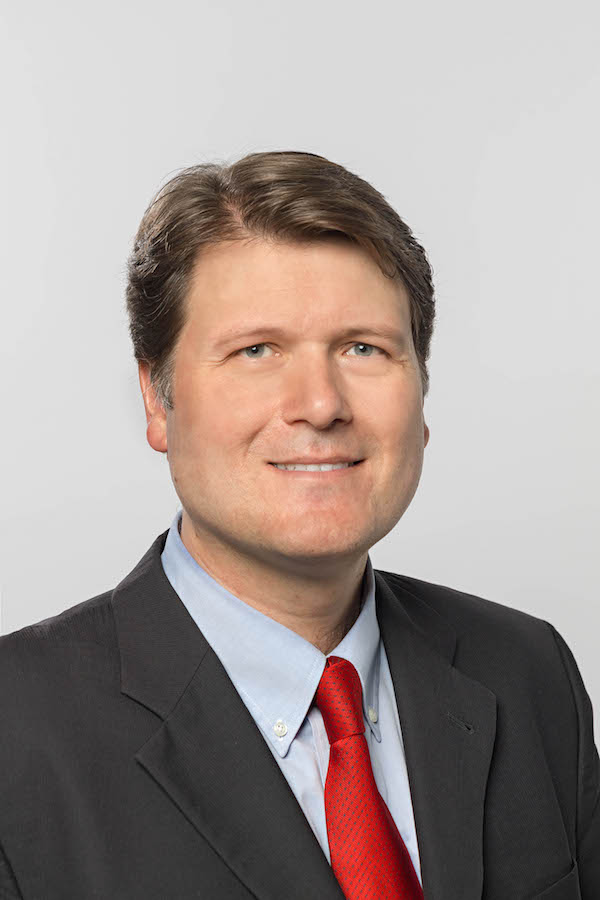
Univ.-Prof. Dr. Constantinos Antoniou
Full Professor, Chairholder Department of Civil, Geo and Environmental Engineering, Chair of Transportation Systems Engineering Technical University of Munich, Germany
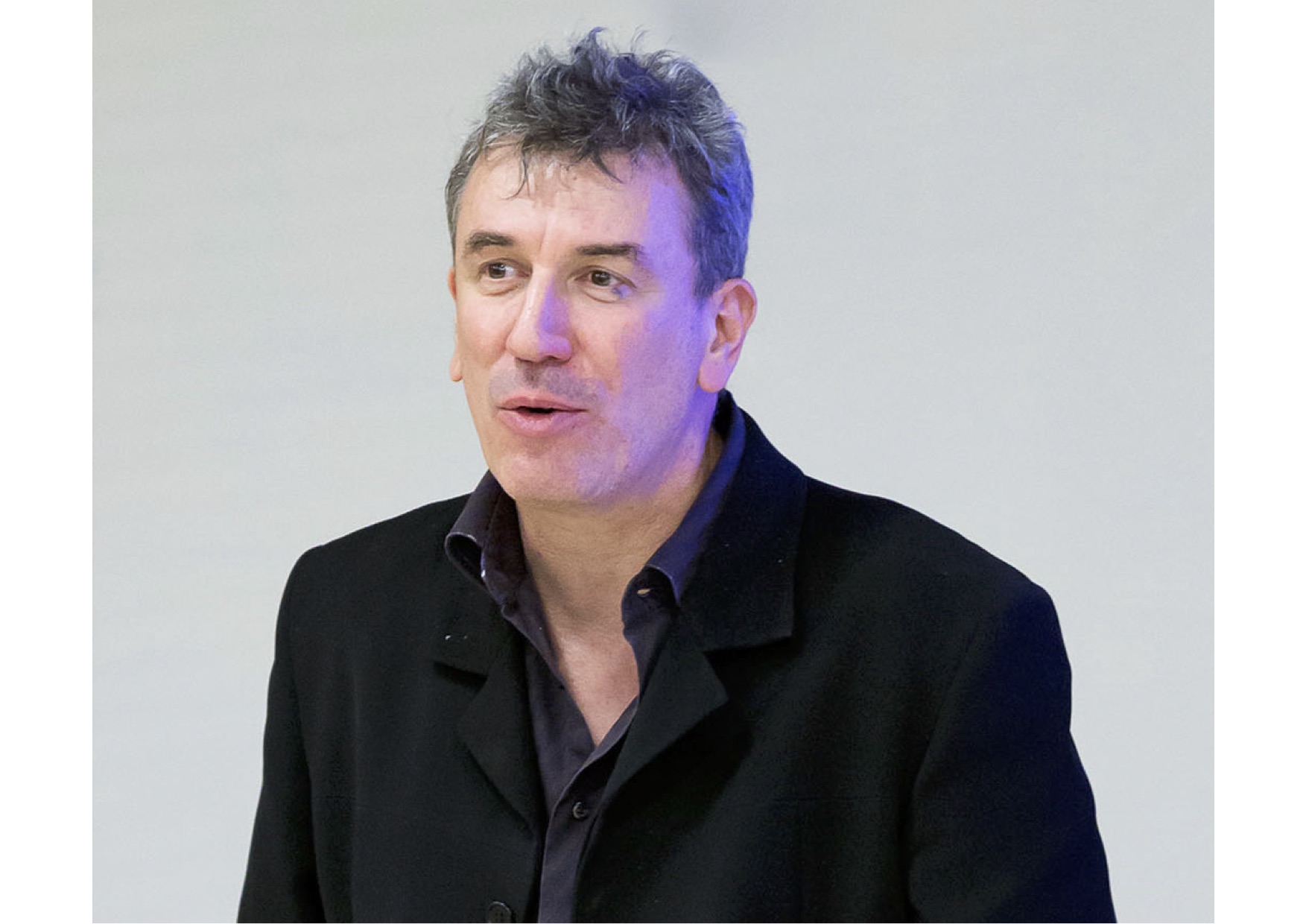
Prof. Dr. Eric Gaussier
Professor of Computer Science at University Grenoble AlpsDirector of the LIG Computer Science Laboratory, Director of the Multidisciplinary Institute in Artificial Intelligence in Grenoble
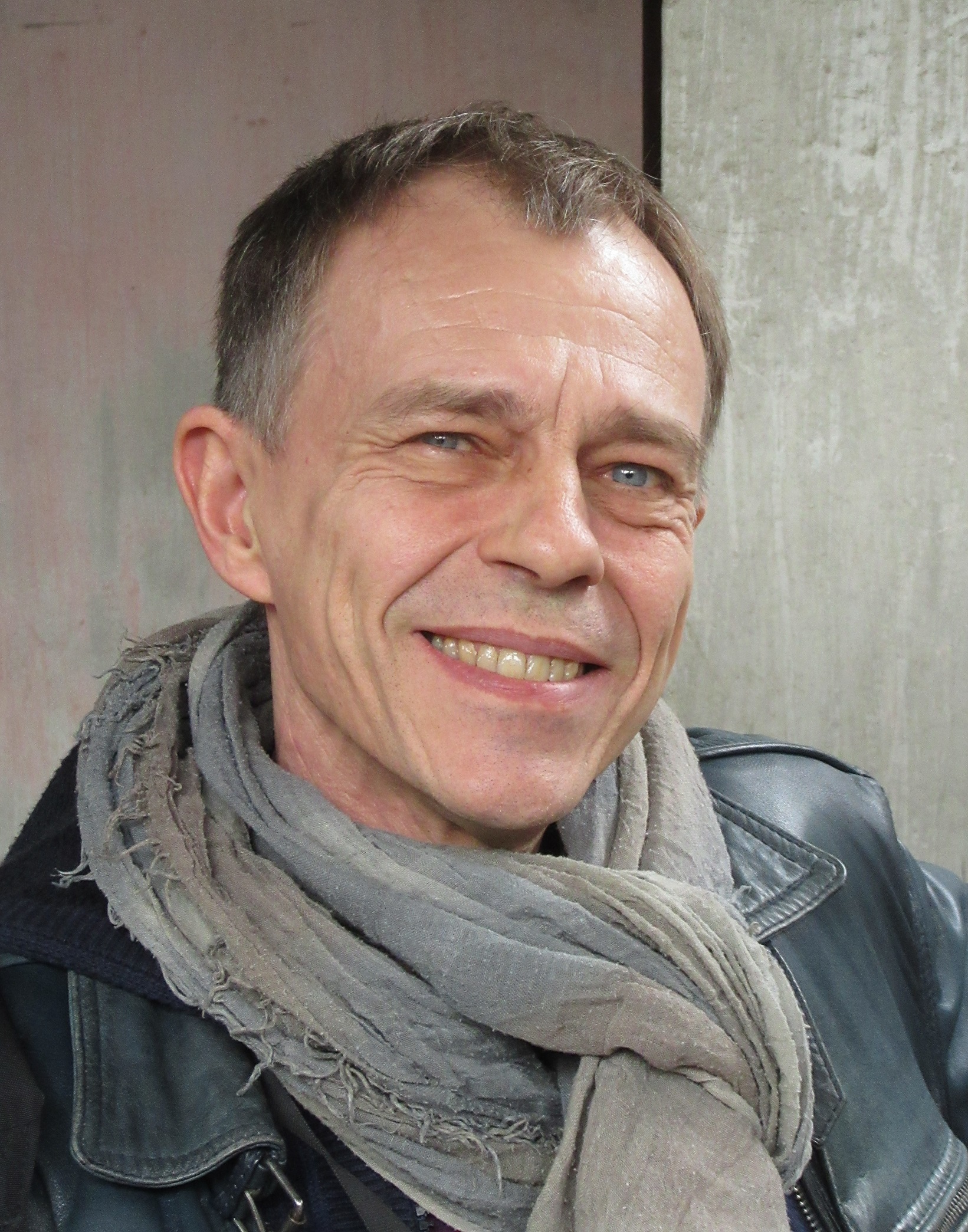
Prof. Fabien Moutarde
Full Professor, Deputy director of the Center for Robotics MINES ParisTech (Ecole Nationale Superieure des Mines de Paris, ENSMP)
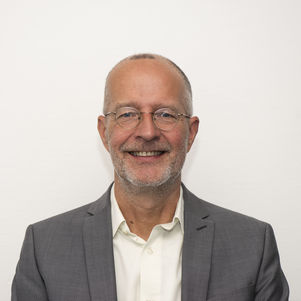
Prof.dr. Bert van Wee
Professor in Transport Policy at Delft University of Technology, the Netherlands Scientific director of TRAIL research school
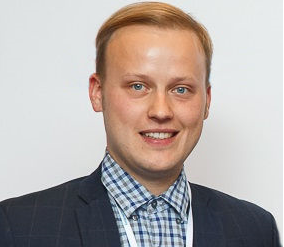
Dr. Kaspars Ozols
Deputy Director of development, Institute of Electronics and Computer Science, Latvia

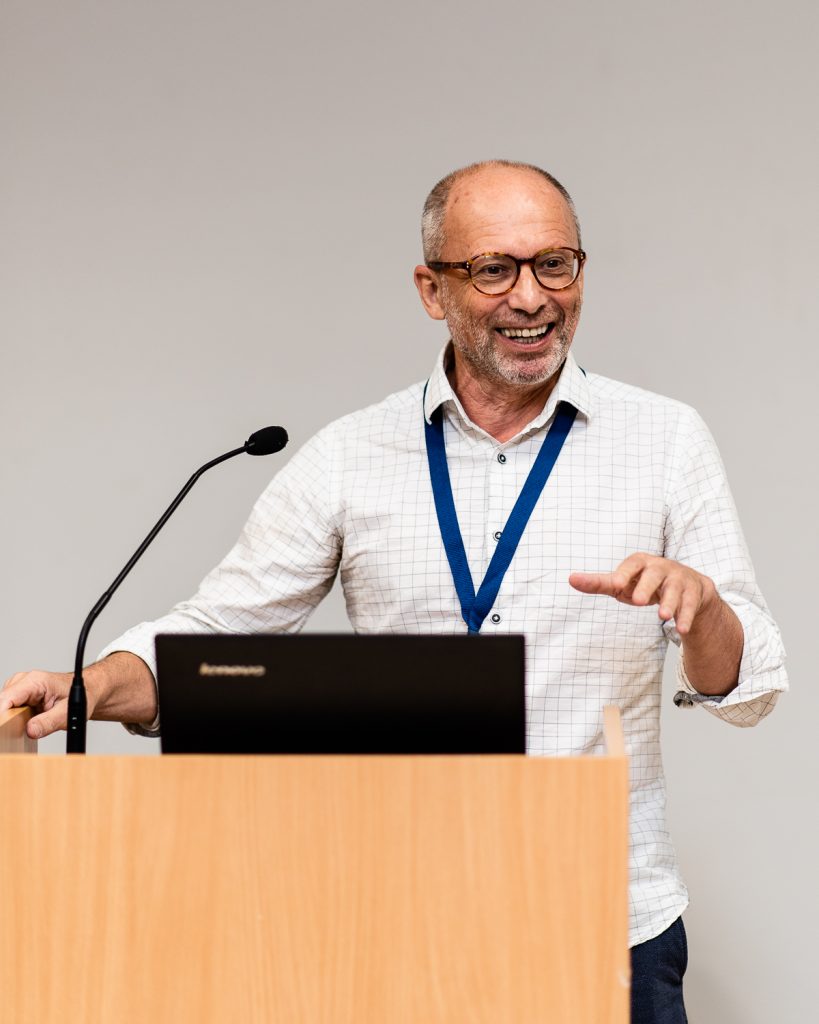
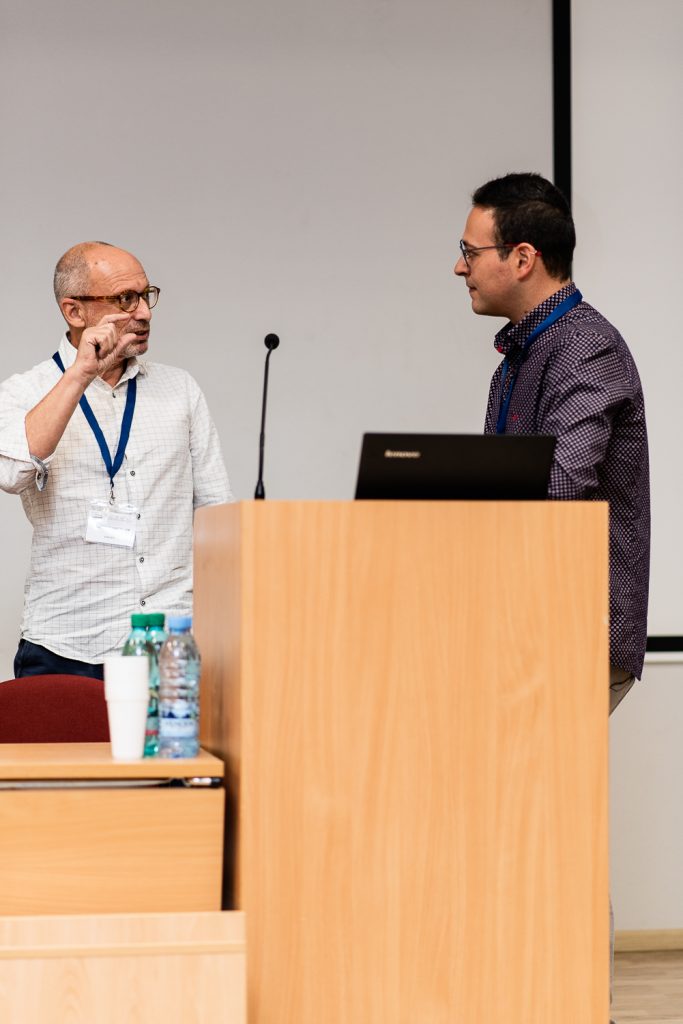
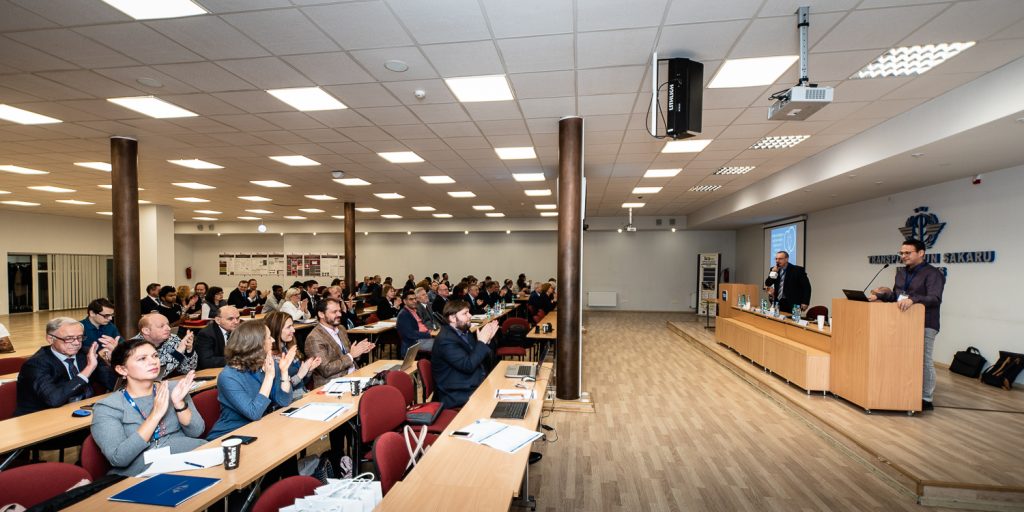
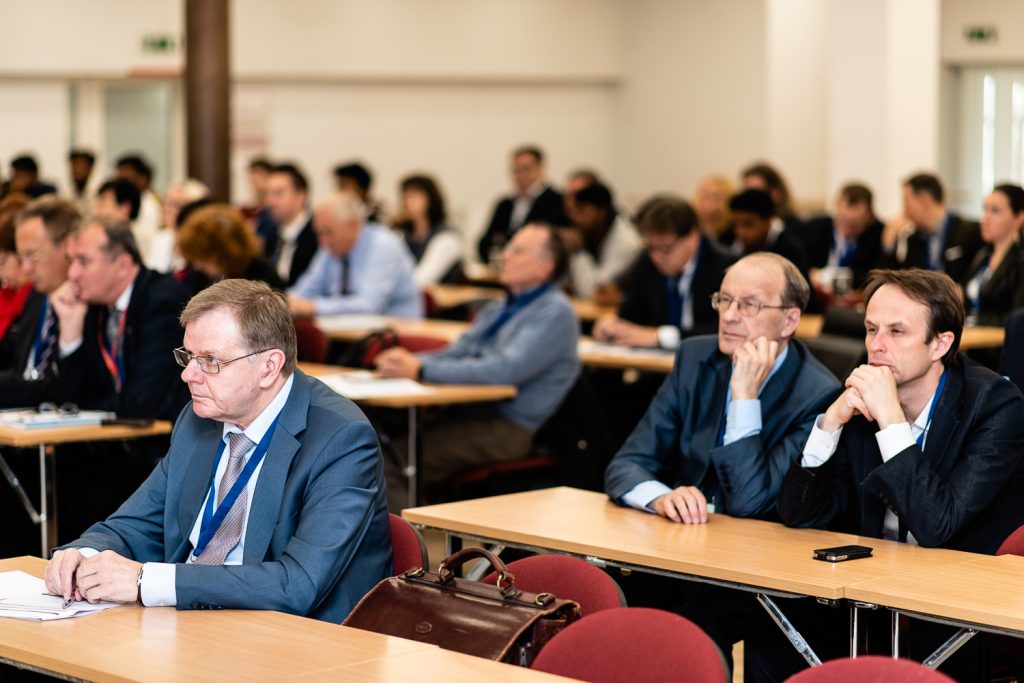




 Riga, Latvia
Riga is the capital of the Republic of Latvia. Thanks to its geographical location, Riga has wonderful trade, cultural and tourist facilities. Whilst able to offer all the benefits of a modern city, Riga has preserved its historical charm. It’s especially famous for its medieval part – Old Riga.
Old Riga still preserves many mute witnesses of bygone times. Its old narrow streets, historical monuments, organ music at one of the oldest organ halls in Europe attract guests of our city. In 1998 Old Riga was included into the UNESCO list of world cultural heritage.
TSI – Transport and Telecommunication Institute
1 Lomonosova Street, LV-1019, Riga, LATVIA
Contacts:
Jelena Rutkovska : +371 67100586
 Transport and Telecommunication Institute (Transporta un Sakaru Institūts)
1 Lomonosov street, Riga, LV1019, Latvia
A wide range of hotels will be at the disposal of participants of the conference and accompanying persons (http://eng.meeting.lv/hotels/latvia_hotels.php).
Mrs. Viktorija Gruzite – Organization Manager
Transport and Telecommunication Institute
Lomonosova 1, Riga, LV-1019, Latvia
Telephone: +371-67100586, +371-67100651
Fax: +371-67100660
E-mail: RelStat@tsi.lv